
A Revolution for Women

Among the most important and enduring achievements of the Cuban Revolution, which we cannot deny, are those related to women's participation in society. Let's think about the small country we were 60 years ago. It was much more patriarchal, and women were relegated to the home, to childcare, and above all, to providing family support, rarely playing a leading role beyond their immediate circle.
It was uncommon to find women studying at university, holding positions of responsibility in industries or institutions, managing businesses, or leading projects. There were some, of course, but these rebels almost always came from privileged families; they weren't that numerous. The women were mostly teachers; a few were artists. Their occupations were those considered "women's work," which, coincidentally, could be done from home, such as washing clothes "for others," sewing, crafts, or domestic service like cooking and cleaning. And so on.
I think of my own grandmothers from poor, rural families, born in the second decade of the 20th century, without education, trapped by their environment and circumstances, dedicated to any domestic work that didn't involve being part of a group, much less one that engaged in intellectual pursuits, but rather within the confines of their homes, surrounded by their many children, teaching them how to live, as best they could, with lessons they had to learn on their own.
This was the reality for most of them. I'm sure of it. Two or three were able to attend school because, evidently, their economic situation and the prevailing intellectual freedom allowed it. How fortunate they were to receive an education, leave the domestic sphere, and open their minds, interact, expand their skills, learn about the world, develop their own opinions, and understand the diversity that exists outside, and that life is more than sewing, knitting, singing, and looking pretty.
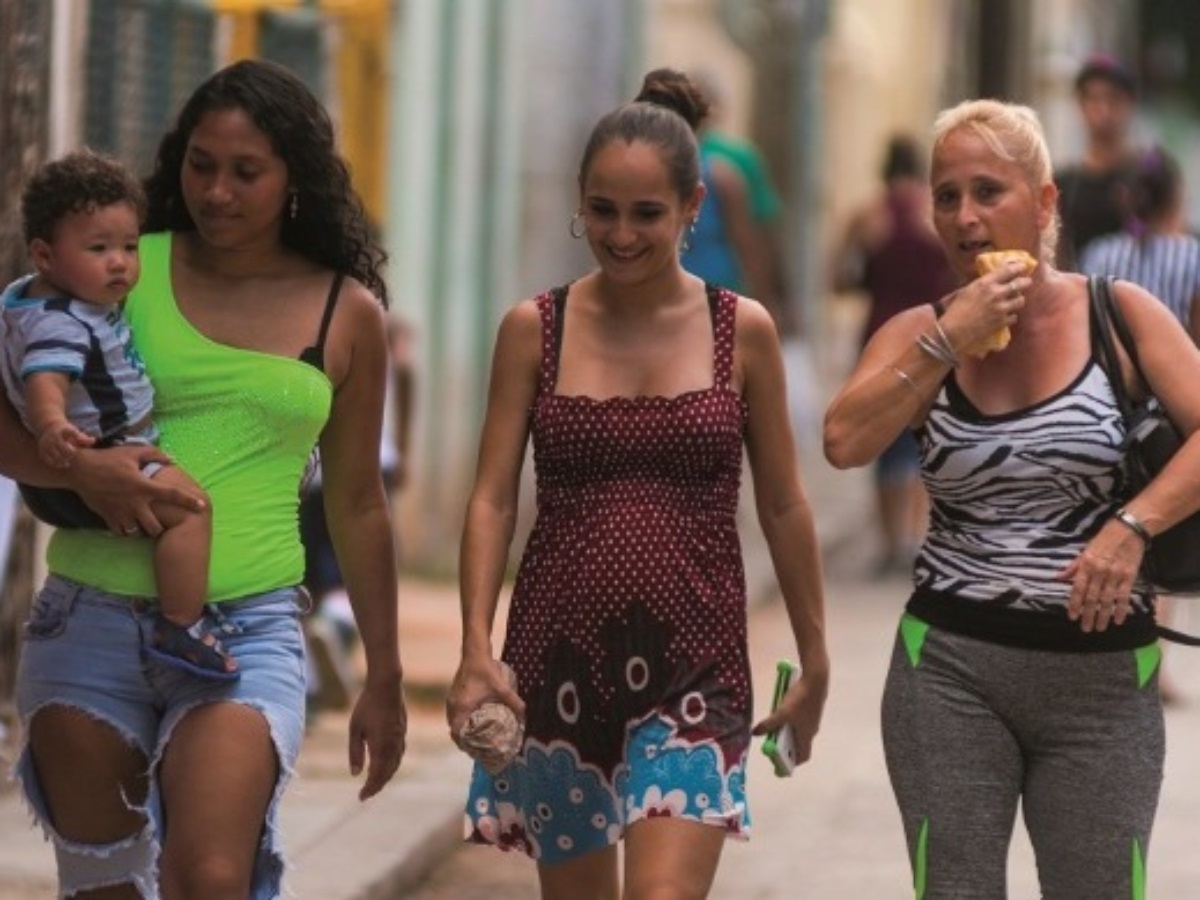
However, it wasn't entirely easy for them because in a world designed by and for men, the patriarchal influence always imposed barriers and resistance.
It was an arduous process, then, to introduce any initiative that implied a change in mindsets and practices into such a society. The Revolution included the women's revolution. It was conceived from its very epicenter, and we can mention women who led the movement. Among them, and above all, Vilma Espín Guillois.
Vilma worked her entire life to transform this situation. Her commitment is reflected in numerous actions on behalf of women, from the creation of institutions and structures to the drafting of laws that are fundamental to gender equality today.
First and foremost, and widely known, is the creation of the Federation of Cuban Women (FMC). Today it seems quite normal, but more than 60 years ago this organization aroused considerable suspicion because it brought women together and offered them support, guidance, and accompaniment on their path to integration into society and empowerment.
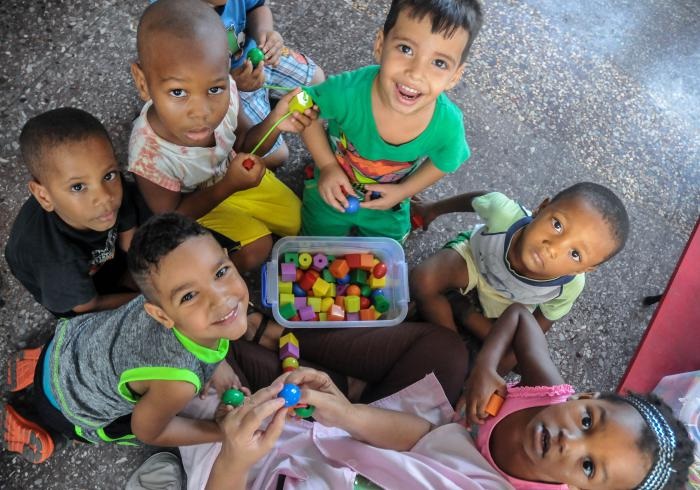
For women's emancipation, it was essential that their primary role no longer be childcare, as this full-time task would make it impossible to study and find employment outside the home. However, the problem was that there is an age when children are very dependent, before starting primary school. Therefore, the Day Care Centers were created.
As early as April 10, 1961, Vilma spearheaded the creation of institutions dedicated to the care of young children so that their mothers could participate in professional development activities. This initiative also ensured that children were not only entertained but also received age-appropriate content through socialization, play, and inclusion. This helped them arrive at primary school better prepared. It was beneficial for everyone.
To move closer to equality of rights and responsibilities between men and women, it has been necessary to promote literacy, re-education, and even reform laws over many years. Thousands of Cuban women have had access to various reintegration programs, and today it’s common to see them in leadership positions, government roles, and in various spheres—science, sports, agriculture—in all sectors, even those traditionally considered "male-dominated," such as construction.
However, despite these advances, significant challenges remain. First, the burden of domestic work... The burden of caregiving continues to fall disproportionately on women, meaning that even those with formal employment often face a "double shift" when they arrive home, as they dedicate more time to unpaid domestic work. It's no secret that male co-responsibility is scarce and support networks are lacking.
In fact, many women currently believe that wage gaps and disadvantages in hiring practices persist in the new private sector. It's widely reported that self-employment doesn't offer the same benefits as maternity leave, and many job requirements prioritize a specific "physical appearance" as a prerequisite for accessing positions.
This demonstrates that changing mindsets will always be the most difficult task, and that stereotypes persist and resurface with great force during times of crisis.
Gender equality is not a dream; it’s a right, as is active participation in public life. It's not enough that women are now highly represented in our country's workforce and occupy positions beyond the sectors once considered traditional. Greater awareness and involvement are needed.
Raising the level of culture and education was the first step, and it is thanks to the Revolution that this has been possible; however, much remains to be done, and it will take many more years.
Translated by Amilkal Labañino / CubaSí Translation Staff
Add new comment