
Iranian President Denounces Environmental Damage Caused by U.S. and Israeli Aggression
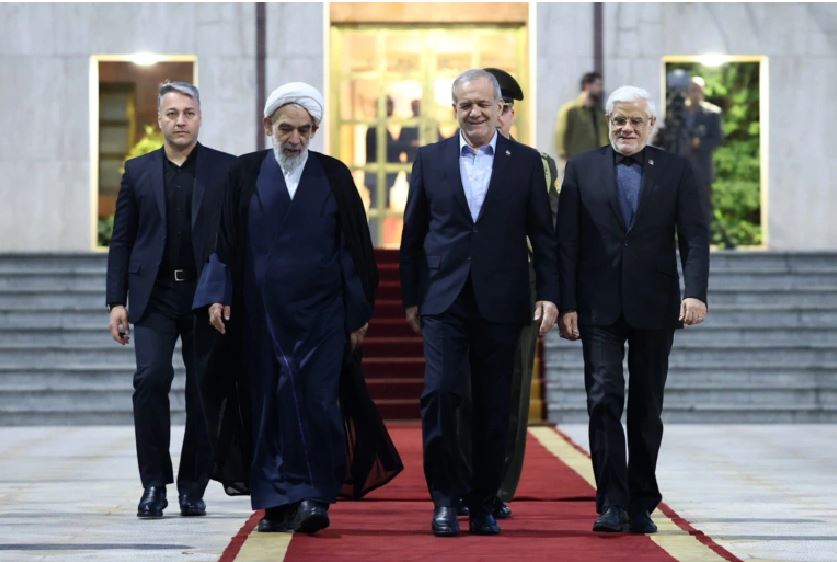
El mandatario iraní reclamó mecanismos internacionales para documentar estos hechos, prevenirlos y exigir responsabilidades e indemnizaciones a las naciones agresoras. Foto: EFE Verde
Iranian President Masoud Pezeshkian denounced during his address at the 31st United Nations Climate Change Conference (COP31) in Antalya, Türkiye, the severe environmental damage caused by attacks from the United States and the Israeli regime against his country.
The head of state called for international mechanisms to document these events, prevent them, and demand accountability and compensation from the nations responsible for the aggression.
According to detailed assessments provided by Pezeshkian, strikes targeting fuel facilities in the city of Asaluyeh (in the southern province of Bushehr, along the Persian Gulf coast) caused the emission of approximately 500,000 tons of pollutants, while deliberate bombings of fuel depots on the outskirts of Tehran released roughly one million tons of carbon dioxide.
Pezeshkian also noted that the military actions struck protected areas and park ranger stations. He warned that wartime operations destroy years of climate efforts and turn the environment into a silent victim of armed conflicts.
Iranian Progress in Clean Energy and Call for Peace
In his speech, Pezeshkian recalled the ideas of Iran's martyred Leader, Ayatollah Seyyed Ali Khamenei, regarding the destructive impact of unconventional weapons on crops, agriculture, and future generations, emphasizing that no power has the right to endanger the foundations of life on Earth in the name of security or military superiority.
The report also notes that at previous gatherings, such as the COP17 biodiversity summit held in October and last year's COP30 summit, Iran warned that the devastation of ecosystems caused by U.S. and Israeli aggression in the region constitutes war crimes.
The Iranian president reported that, despite sanctions he described as unjust and restrictions on access to international financing and technologies, Iran's electricity generation capacity from renewable sources increased over the past two years from 1,250 megawatts to more than 6,150 megawatts.
He likewise indicated that clean electricity production surpassed 4.5 billion kilowatt-hours this year, preventing the emission of approximately 2.5 million tons of carbon dioxide. He reaffirmed that peace is an indispensable condition for protecting the environment.
According to experts, fighting the climate crisis requires aligning global institutional guidelines with the territorial empowerment of social movements and Indigenous peoples in the face of advancing mining extractivism, armed conflicts, and the environmental impact of technologies such as artificial intelligence.
Although annual climate conferences tend to be more rhetorical than practical, the local dimension is decisive in halting polluting projects driven by large transnational corporations in collusion with extractivist state policies that harm communities.
On the international front, the account underscores the gravity of heavily polluting powers like the United States failing to participate in climate negotiations and shirking their duty to provide financial resources and technology transfer to the Global South.
Add new comment