
International Men’s Day: Being a Man Without Having to Prove It
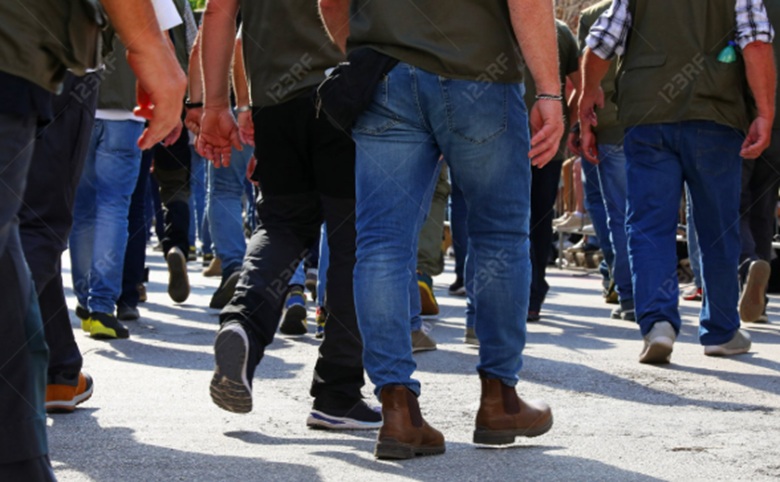
Foto ilustrativa: tomada de 123RF
Many men were taught that they had to be strong, providers, competitive, and emotionally reserved. They were taught that crying was a weakness, asking for help a sign of incapacity, and exercising authority a demonstration of masculinity.
Those mandates have not only contributed to reproducing inequalities and violence against women; they have also limited men’s own freedom to express affection, to care for others and themselves, and to build healthier relationships.
That is why, on this November 19, International Men’s Day, it is worth asking: what does it mean to be a man in a society that needs to keep transforming its gender relations? The point is not to set men’s demands against women’s, but to examine the cultural models that have shaped the lives of both for generations.
All of this should be done without forgetting, as the Ibero-American and African Network of Masculinities (RIAM), based in Cuba, insists and teaches, the importance of questioning traditional models of masculinity and involving men in the construction of egalitarian relationships.
And always, as RIAM, which has promoted reflection on this subject in academic, cultural, and community settings, likewise stresses, bearing in mind that there is no single way to be a man, because masculinities are diverse and shaped by age, culture, social conditions, and individual experiences.
Being a Man in Cuba
In Cuba, the debate takes on its own particularities, among them the persistence of significant inequalities in the distribution of family responsibilities, although progress has been made.
According to data from the Cuban Observatory on Gender Equality, a joint initiative of the Federation of Cuban Women and the National Office of Statistics and Information, at the end of 2025, 29.1 percent of women aged 15 and older devoted themselves exclusively to household chores and unpaid care work, compared with 0.7 percent of men engaged solely in those tasks.
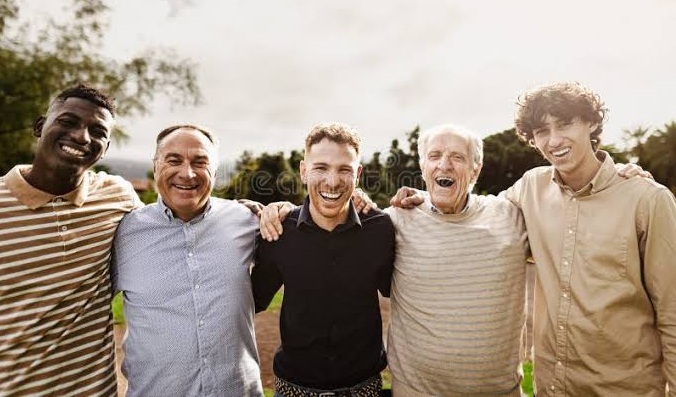
Foto ilustrativa: Shutterstock
It is a gap that reveals how far there is still to go in terms of shared responsibility, and under current conditions, including the energy crisis, it becomes even more harmful.
Cuba’s economic reality adds further tensions. Population aging, emigration, material hardships, and insufficient care services increase the demands on families.
Many men on the island, as in other places, continue to tie their worth to their ability to provide for the household, while finding it difficult to express exhaustion, share vulnerabilities, or fully take on caregiving tasks. Changing that reality requires cultural change, but also public policies and accessible services, among other measures.
The International Labour Organization and the United Nations Population Fund agree on the importance of involving men in the redistribution of care work and the promotion of equality.

La Organización Mundial de la Salud advierte que determinadas normas de género pueden favorecer conductas de riesgo y dificultar que los hombres busquen atención médica o apoyo emocional. Foto ilustrativa: Magnific
It is not a matter of men occasionally helping with tasks considered feminine, but of recognizing that raising children, supporting and attending to dependent persons, and sharing household responsibilities are human obligations and also an expression of love.
The World Health Organization warns that certain gender norms can encourage risky behavior and make it harder for men to seek medical care or emotional support.
International Men’s Day is not officially recognized on the United Nations calendar, but it is observed internationally and offers an opportunity to address issues such as men’s health, emotional education, responsible fatherhood, violence prevention, and the diversity of men’s experiences. Its purpose should not be to claim privileges or set up competition between the sexes, but to contribute to fairer coexistence.
Perhaps the transformation begins with simple questions: What do we teach our boys about strength, affection, and respect? Do we show them that caring does not make them less masculine, that expressing fear does not make them any less men, and that loving does not mean controlling? A man does not need to prove power to deserve respect, nor exercise authority to feel valuable.
Society needs masculinities capable of reconciling strength with tenderness, autonomy with care, and one’s own identity with respect for others. That, more than any congratulatory message, would be a legitimate reason to commemorate this date.
Translated by Sergio A. Paneque Díaz / CubaSí Translation Staff
Add new comment