
Cuba modifies transportation system due to energy crisis
According to Transportation Minister Eduardo Rodríguez, the decision by U.S. President Donald Trump affects all sectors, and some of the agreed-upon modifications have already been implemented, while others will be established gradually.
Imagen
Transportation
Autor:
Starting today, Saturday, Cuba will implement several measures in its transportation system to address the energy crisis caused by the United States government’s decision to impose tariffs on companies that ship oil to the island.
According to Transportation Minister Eduardo Rodríguez, the decision by U.S. President Donald Trump affects all sectors, and some of the agreed-upon modifications have already been implemented, while others will be established gradually.
During an appearance on the Cuban television program Mesa Redonda, Rodríguez assured that port and air operations will be prioritized to guarantee the arrival of food, fuel, and medical supplies, in addition to exports.
He also specified yesterday that domestic and international flights will be maintained “according to airline availability.”
He also reported that the transportation of staff is being organized to make the most of the limited fuel available and shared details of the program coordinated with the Ministries of Education and Higher Education to ensure the transportation of students and professors.
Rodríguez emphasized that the adjustments involve reduced freight rates and, therefore, the suspension of national events.
Regarding maritime transport between Batabanó (southwest) and Nueva Gerona (Isla de la Juventud), he said that the available vessels will sail only on Tuesdays and Saturdays and will include a bus service to Pinar del Río and rail service to the rest of the provinces.
Specifically, he noted that passenger trains will run every eight days, instead of every four, as was their recent frequency.
On days without service, he indicated, transportation will be organized for professors and students returning to their homes, a service scheduled to begin tomorrow.
As he mentioned on the television program, plans are underway to suspend waiting lists, reduce the number of destinations served by the National Bus Company, maintain daily departures from Havana to provincial capitals, and, on alternate days, to Baracoa (Guantánamo, eastern Cuba).
He affirmed that the Medibus service, which provides transportation by national, interprovincial, and local buses for medical treatments, will continue.
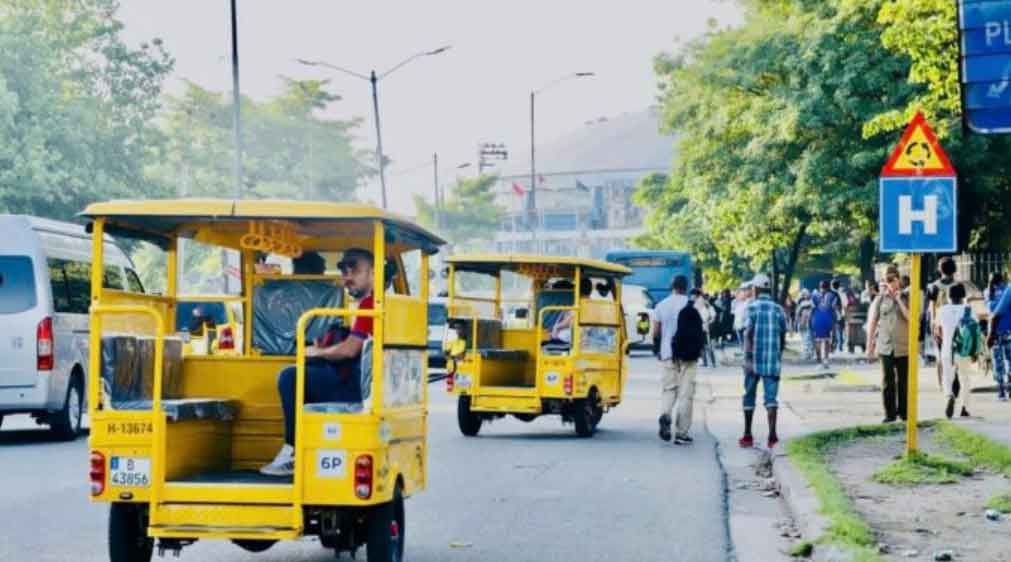
Regarding public transportation in Havana, he reported that the route organization is still being finalized and announced the imminent implementation of a system to transport doctors.
Furthermore, he emphasized that measures are already in place to prevent fare increases for private transportation services and to facilitate passenger transport at major departure points.
Alongside Deputy Prime Minister Oscar Pérez-Oliva and other ministers, the Minister of Transport appeared on the Round Table program, which was dedicated to informing the public about the measures adopted by the Government to address the energy crisis.
Añadir nuevo comentario