
Iran Rejects a State of "Neither War Nor Peace" with the United States
Tomado de Prensa Latina
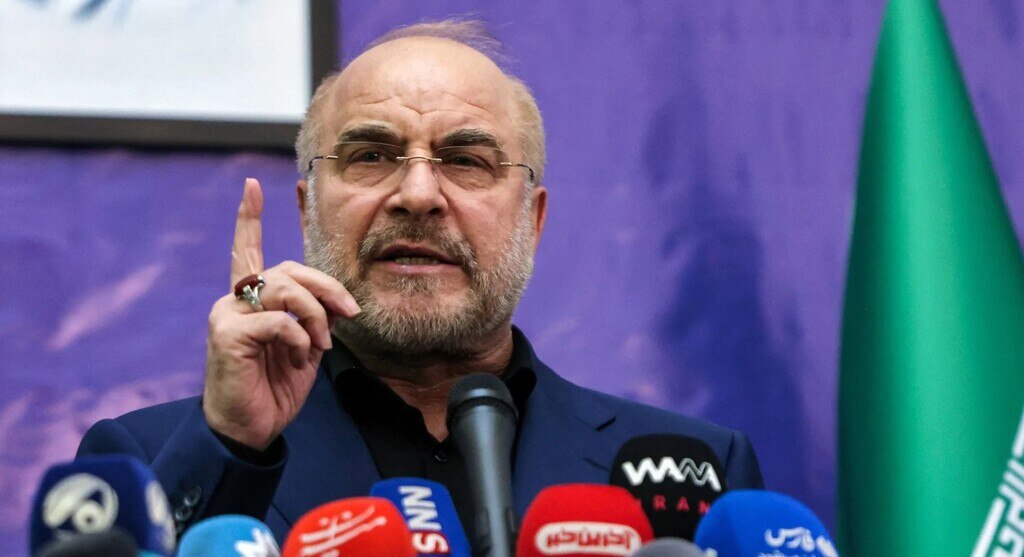
Iranian Parliament Speaker Mohammad Bagher Ghalibaf stated today that his country will not remain in a state of "neither war nor peace" with the United States.
During an address before the legislature, broadcast by the official news agency IRNA, Ghalibaf assured that Iran continues to produce missiles despite wartime conditions and alluded to the inauguration of a new underground city dedicated to such weaponry, without specifying the date or providing details of the facility.
The parliamentary leader described the infrastructure as a technological and defensive achievement, as well as a symbol of strategic transformation in the region.
"If the United States commits another mistake, the Iranian armed forces, with their capability and determination, will determine the course of the war," he warned.
The phrase "neither war nor peace" was originally used in August 2018 by then-Iranian Supreme Leader Ali Khamenei amid heightened tensions with Washington following the U.S. withdrawal from the nuclear deal.
The United States and Israel launched a war against Iran on February 28, 2026. Following a ceasefire in April, clashes resumed in July, while diplomatic efforts to end the conflict remain stalled.
Qatar and Pakistan continue mediation efforts between Washington and Tehran to revive negotiations over the conflict and address differences regarding Iran's nuclear program, sanctions, and maritime security in the Strait of Hormuz.
Añadir nuevo comentario