
Exhibition on Shared African Roots to Open in Brasília
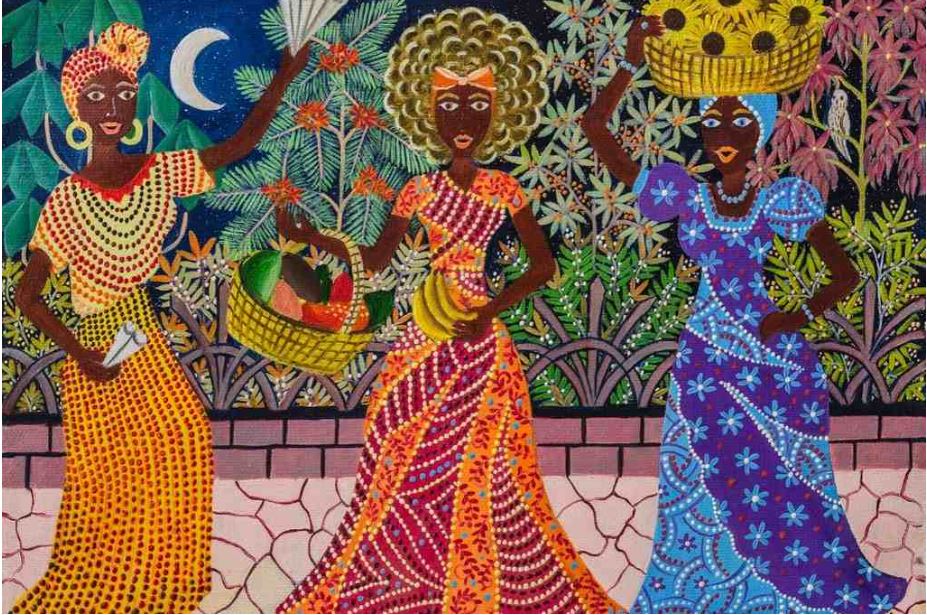
Titled Mamáfrica–African Ancestries in Brazil and Cuba, the exhibition will open its doors at the Brasília Art Museum, featuring the participation of 45 Brazilian and 23 Cuban creators, and will remain open to the public until January 10.
After touring Salvador, São Paulo, and Santos, the initiative arrives in the Brazilian capital with artworks, objects, and cultural references linked to African heritages, their historical connections, and the diversity of knowledge and traditions.
Curated by Odécio Visintin, Rossafa Garcia, Oscar D'Ambrósio, Juliana Candido, and Shirlene Pérola Negra, the project pays tribute to artists whose careers are tied to the valorization of African cultural identity, including Sanagé Cardoso, Isa do Rosário, Josafá Neves, Ulu Mello, and Od Mello.
By bringing together different generations and artistic languages, Mamáfrica invites reflection on memory, a sense of belonging, and the cultural exchanges connecting the peoples of both countries, whose identities were deeply influenced by African populations and their descendants.
The opening of the exhibition is part of Brasília Diversa y Creativa, a program promoted by the Secretariat of Culture and Creative Economy of the Federal District, which will run through November 22 with activities dedicated to the visual arts, contemporary production, and cultural exchange.
In that context, the Cuban Embassy in Brazil will host a special event tomorrow combining cultural expressions and cuisine from the Caribbean island with a space dedicated to solidarity.
At 5:00 p.m. local time, the presentation and launch of the 28th National Convention of Solidarity with Cuba 2027 will take place, with the attendance of the island's ambassador, Víctor Cairo.
Subsequently, starting at 7:00 p.m., the public will be able to enjoy a showcase of traditional cuisine from the largest of the Antilles and a performance by the group Sabor de Cuba.
The overall schedule of Brasília Diversa y Creativa includes exhibitions, artistic gatherings, musical performances, and culinary offerings, as well as the participation of delegations from 11 African countries.
Añadir nuevo comentario