
In Times of Crisis, Conservation Counts Double
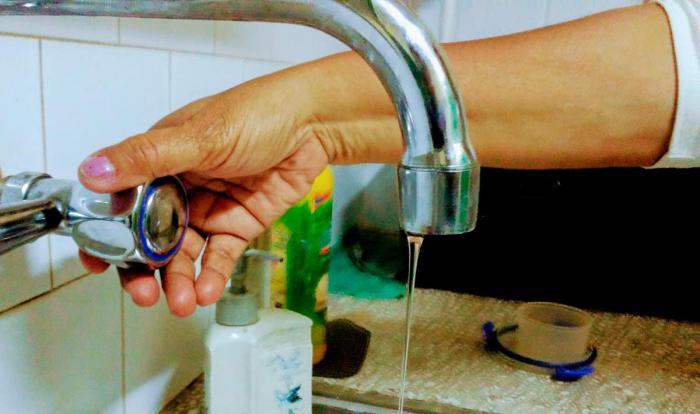
Foto: Tomada de Tribuna de La Habana
The lack of electrical service brings with it a host of problems that nearly all Cubans or residents of the Island suffer on a daily basis: dark streets, communication networks down, homes without power, paralyzed industries, and also water pumping equipment unable to function.
Blackouts, to a certain extent, can be mitigated with rechargeable lamps and fans, gas, charcoal, or wood-burning stoves; and renewable energy systems like solar and wind power. However, in the face of water shortages, how can we manage to produce it?
With the use of electric plants, batteries, and solar panels, it is possible to generate energy inside homes, hospitals, and production centers. Yet, when there is no electricity in the pumping zones and no fuel for the mobility of water tanker trucks, the water situation spirals out of our control.
Hence the importance of preserving the little we have in our cisterns and elevated tanks, preventing tanks from overflowing when the motor is turned on, checking for leaks in sinks and toilets, and controlling the amount used for bathing or cleaning spaces.
There will always be those surprised by our title, as they will say, how can we save what we do not have. However, today there are many places where water pours from rooftops, or rivers run down the middle of the streets, a problem that also falls on the agencies responsible for said infrastructure.
The problem of access to drinking water throughout Cuba has been exacerbated by the deterioration of facilities and costly pumping equipment that is not spared from the damage caused by the economic, commercial, and financial embargo intensified by the U.S. government.
Added to this is the severe national energy crisis, which means that without power generation, it is impossible to start these water pumps. Sadly, there are many localities where drinking water does not arrive for days and weeks, a situation that seriously affects the population's quality of life and health.
Water is not an infinite natural resource. Hence the importance of managing it rationally. Three-quarters of planet Earth are covered in water, however, only "0.007 percent is suitable for our consumption."
Translated by Sergio A. Paneque Díaz / CubaSí Translation Staff
Add new comment