
Enrique Arredondo: 120 Years of Endless Roguery
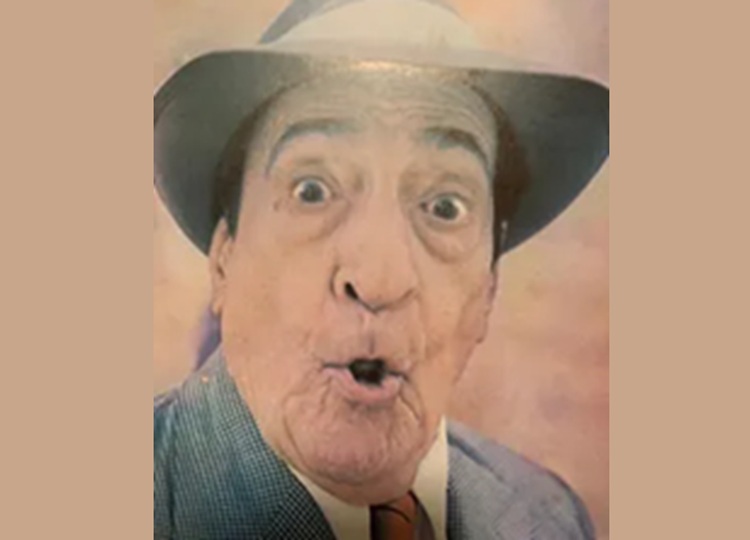
A country's collective memory often takes refuge in heroic deeds, critical events… but in Cuba, that memory has a broad sense of humor and has not erased the face of a man who also made roguery a defense of national identity.
Therefore, on this April 2nd, the 120th anniversary of Enrique Arredondo's birth, we remember not only an actor, but the backbone of a genre that refuses to die: vernacular theater.
Arredondo didn't just play characters; he captured fragments of Cuban identity and returned them to the public with a humor and wit that has transcended all time.
That boy born in Havana soon understood that his destiny lay on the stage. From his first forays into variety shows, he demonstrated that he possessed that ineffable gift that makes the difference between just a good comedian and a true legend.
His training was the rigor of touring, direct contact with the average audience member, and an almost anthropological capacity for observation.

From this amalgamation were born his characters who are an intangible heritage of the nation: the handsome Cheo Malanga, the unforgettable Dr. Chapotín, and, of course, Bernabé, that old man with rustic wisdom and a sharp tongue who became the mirror of the mischievousness and tribulations of the average Cuban.
The art of improvisation and "morcilleo" (a type of Cuban humor)
What made Arredondo an exceptional creator was to his absolute mastery of the stage. In theatrical jargon, "morcilleo"—the ability to add original text outside the script—reached haute couture levels with him.
These weren't mere witticisms to get by, but intelligent constructions based on the social context and the pulse of the moment.
His dialogues in emblematic programs like San Nicolás del Peladero were lessons in popular semiotics. He knew where to place the pause, the slightest gesture, or the double entendre that resonated with the audience.
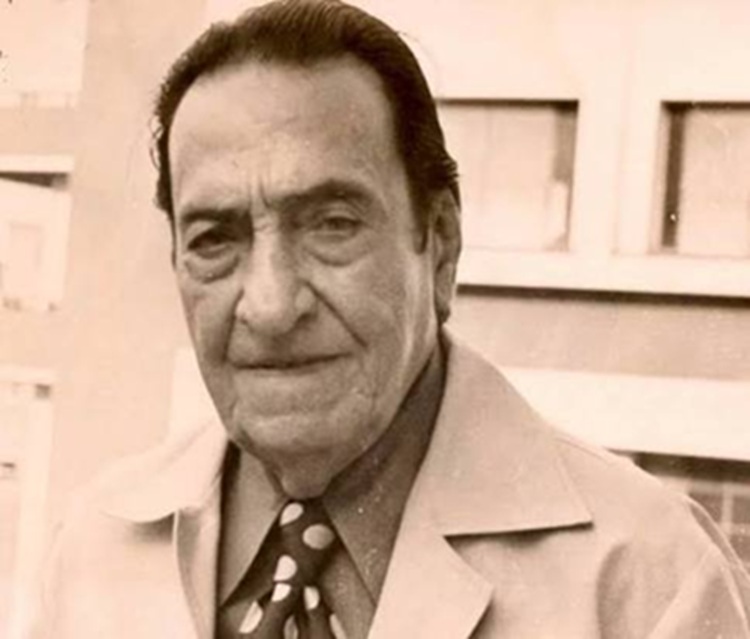
His legacy transcends easy laughter because he was a custodian of the tradition of comic theater, a link that connected the 19th-century Havana comics with modern television.
In his memoir, *The Life of a Comedian*, published by Editorial Letras Cubanas in 1981, he made it clear that comedy is a very serious matter, a goldsmith's craft that requires discipline and a special sensitivity to understand the human soul.
His presence on stage elevated Cuban humor to the level of a high art, making it an exponent of the emotional intelligence of an entire people.
Today, as new forms of humor seek their own language in the digital age, Arredondo's image refuses to fade. This is not due to nostalgia, but to the realization that his characterization technique and his mastery of rhythm remain the gold standard for any actor who aspires to represent the essence of the Island.
Remembering Enrique Arredondo on the 120th anniversary of his birth is also to celebrate that spark of wit that defines us and to know that he lives on in every original remark, in every mischievous gesture, and in the endless echo of the applause that still resonates in his honor.
Translated by Amilkal Labañino / CubaSí Translation Staff
Add new comment