
Cuba Advanced in Digital Transformation During 2025
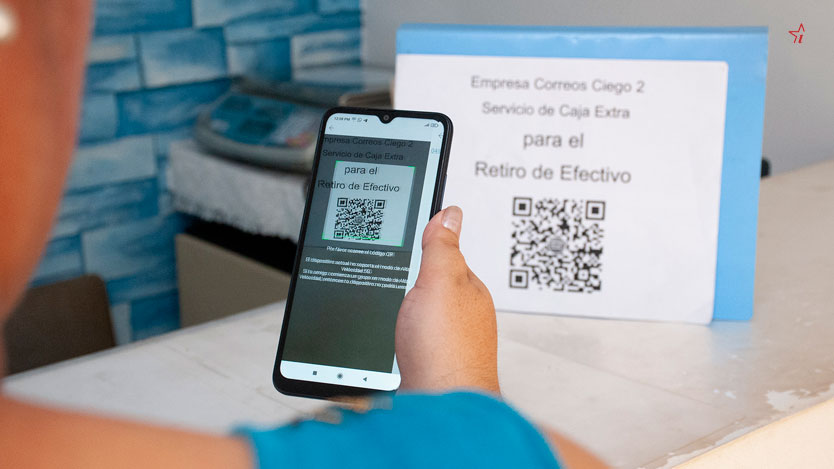
Foto: Michel Guerra
The development of Information and Communications Technologies maintained a relevant place on the national agenda in 2025, in correspondence with the policy of informatization of society and the strategic objectives of digital transformation, the newspaper Granma reported.
Despite limitations derived from the economic, commercial, and financial blockade imposed by the U.S.—which affected access to websites and the purchase of parts with U.S. components—the sector continued its modernization, with milestones marking advances in public management, the economy, and daily life.
The Policy for Digital Transformation and the Digital Agenda up to 2030 constituted references for development, demonstrating that the challenge is not limited to introducing technologies, but to achieving real impacts on society.
Varadero hosted the 2025 World Youth Summit of the International Telecommunications Union, with the participation of young people from various countries to debate digital empowerment, artificial intelligence, and technological gaps.
Events such as Sigestic 2025 and the VI International Scientific Conference Uciencia brought together specialists in systems management, scientific research, and technological development, reinforcing integration between academia and enterprise.
In the push toward digital government, the Soberanía platform was launched, available at www.soberania.gob.cu, which integrates a digital identity for citizens and facilitates online procedures such as civil registries and document requests.
Transfermóvil and EnZona consolidated their role as fundamental payment gateways, expanding services to support electronic commerce and digital payments in society.
In terms of cybersecurity, the Fourth National Conference was held, focused on raising awareness among the population about the safe use of mobile devices, protection strategies against cyberattacks, and creating a culture of computer security.
January 2025 marked Cuba's integration into the AI Alliance Network, alongside 13 countries and 15 organizations dedicated to artificial intelligence development within the BRICS+ group.
The University of Havana presented Cecilia, a Cuban language model for artificial intelligence, while Alic.IA consolidated itself as an interactive legal assistant for lawyers.
At the Havana International Fair, the Artificial Intelligence Consortium was presented, an initiative that articulates efforts among institutions, companies, and universities to promote solutions in strategic sectors.
Cuba ratified its vocation for international cooperation in the technological sphere, participating in multilateral forums and promoting alliances in areas such as informatization, cybersecurity, and digital capacity development.
Digital transformation in Cuba is an ongoing process, marked by the will to harness ICT as a space to promote development.
Add new comment