
AI Diets: The Dark Risk of Asking ChatGPT to Help You Lose Weight
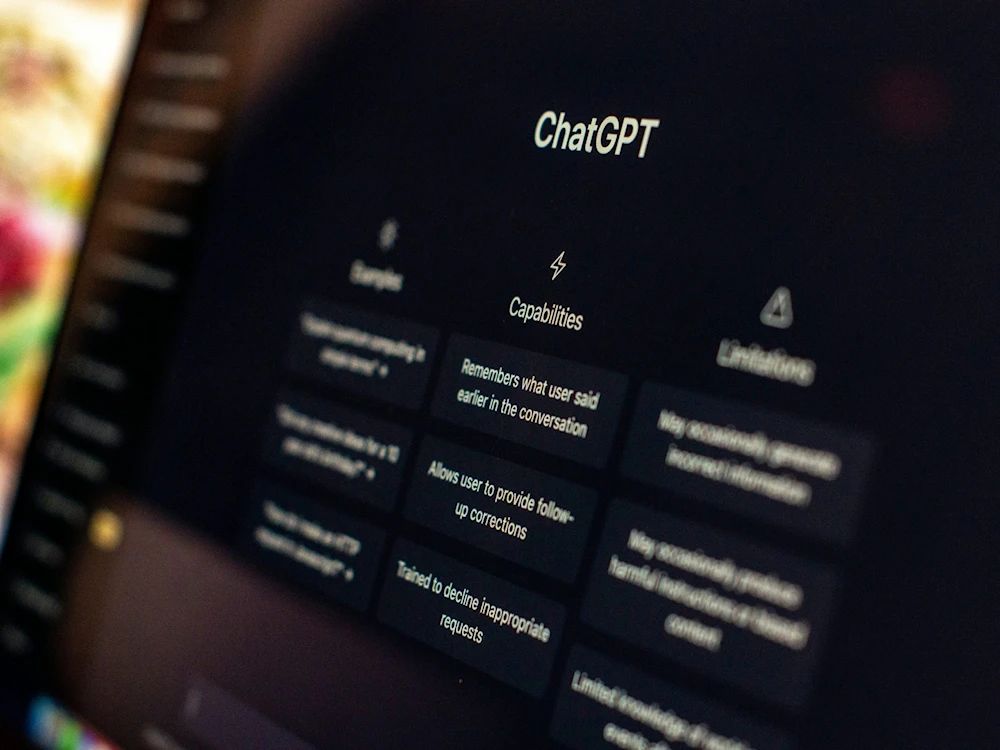
¿Pedirle una dieta a ChatGPT? Cuidado. Un estudio revela que la IA recorta 700 calorías clave y pone en riesgo el crecimiento y los huesos de los adolescentes. Foto: Internet
It all begins in front of a screen with a seemingly harmless prompt: "ChatGPT, make me a diet to lose weight." What Instagram and TikTok filters sell as a fast track to the ideal body, science has just exposed as a dangerous gamble with human health.
Teenagers have turned artificial intelligence into their go-to nutritionist. Without disclosing medical history or visiting a doctor's office, they have handed their metabolism over to an algorithm. The clinical response to this global trend arrived through the journal Frontiers in Nutrition — and the findings are alarming.
An Algorithm That Starves You
To measure the real-world impact, Istanbul Atlas University put major AI platforms — Gemini, Bing Chat, and ChatGPT — to the test. The research team instructed the systems to generate 60 meal plans designed specifically for 15-year-olds. The results were a resounding failure.
Far from promoting well-being, the AI-generated diets imposed extreme caloric restriction, falling nearly 700 calories short of international medical guidelines per day. The virtual menus also triggered a macronutrient imbalance, eliminating essential carbohydrates while overloading meals with fats and protein.
"Our findings show that AI-based dietary recommendations are not appropriate without professional supervision," said Dr. Ayşe Betül Bilen, lead author of the study, as quoted by international media.
The High Cost of the Virtual Fitness Trend
The adolescent body is not simply an energy-burning machine — it is actively developing. According to Natalia Lates, a researcher at the University of Murcia, blindly following these unbalanced diets puts everything at risk, from final height to skeletal strength.
The most serious physical consequences identified by the scientific evidence include fragile bones, as insufficient energy intake combined with low calcium and vitamin D compromises development and can trigger early-onset osteoporosis and adult fractures; kidney damage, as excessive protein consumption — which AI platforms mistakenly associate with fitness — disrupts blood pH and dangerously overloads the kidneys; and structural weakening, as the indiscriminate prescription of saturated fats erodes bone mineral density in young people.
The Dangerous "Illusion of Precision"
The text generated by chatbots sounds convincing and precise, yet it remains entirely blind to the individual patient's reality. Experts from the Argentine Nutrition Society (SAN) have identified this phenomenon as the "illusion of precision."
Marisa Armeno, coordinator of the SAN's Childhood Obesity Working Group, is unequivocal on the matter. While AI can organize data quickly, it can never replace human clinical reasoning. "Medical nutrition does not consist solely of calculating calories; it involves integrating growth patterns, associated conditions, family context, food culture, and clinical progression," the specialist noted.
The international scientific consensus is clear: AI is a powerful tool for handling large volumes of data under professional supervision. However, when it comes to the mental and physical health of a teenager navigating puberty, technology may inform — but the final medical decision is, and will remain, strictly human.
Add new comment