
October 12: Nothing to Celebrate
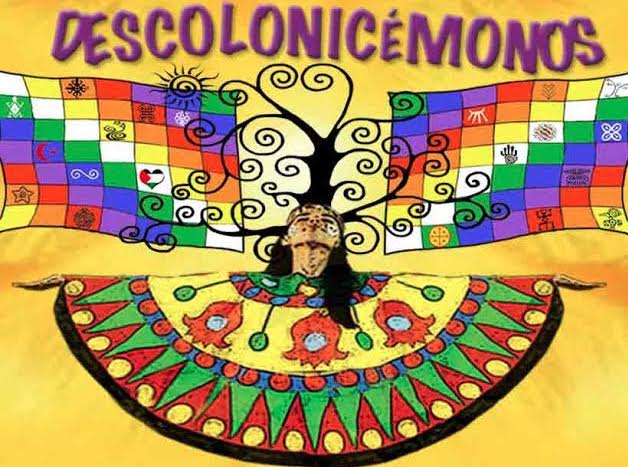
12 de octubre: nada que celebrar
Neither a meeting of cultures nor a discovery: for Our America, October 12 does not represent a harmonious dialogue of civilizations, but rather the beginning of one of the deepest historical and human fractures in humanity's history. Behind the festive varnish with which the “Day of Hispanicity” or the euphemistic “Encounter of Two Worlds” has traditionally been adorned lies a collective memory marked by conquest, dispossession, slavery, and resistance.
To speak of a “discovery” in 1492 is the height of ignorance. The lands of this continent were not an unknown expanse waiting to be named or validated by the European gaze; they were home to complex civilizations, structured languages, ancient agricultural and astronomical knowledge, beliefs, customs, and their own norms of coexistence. The use of historical euphemisms has served for centuries to soften the asymmetric and violent nature of the European arrival. This pill, sugarcoated by eurocentric thought, transforms an invasion into a foundational myth and hides the tragedy behind the veil of a “civilizing mission.”
Celebrating October 12 requires an exercise in collective amnesia regarding the devastating human cost of the colonial process. The demographic collapse of indigenous populations due to forced labor, direct aggression, and epidemics brought from the Old World not only signified a massive ethnocide, but also laid the groundwork for another systemic atrocity: the transatlantic slave trade.
To replace the decimated workforce in the mines and plantations of the New World, millions of men and women were forcibly torn from the African continent and enslaved in these lands. The Caribbean and the Americas thus became the setting for a dual historical wound whose social and cultural impact defined the demography of our region forever.
Veins That Remain Open
Colonialism is not a closed chapter in history textbooks; its structures and prejudices endure. The structural racism and socioeconomic marginalization still suffered today by indigenous and Afro-descendant peoples are the living legacy of that hierarchical colonial order. In the face of voices demanding a critical review and acts of historical reparation, the insistence on maintaining this date as a cause for celebration reflects a lack of empathy toward those who have borne the burden of that history.
If we are to commemorate anything on October 12, let it be resistance, the reaffirmation of identity, autonomy, and the dignity of native peoples. On October 12, there is nothing to celebrate, but there is much to remember, unlearn, and transform.
Translated by Sergio A. Paneque Díaz / CubaSí Translation Staff
Add new comment