
Hatred as a Catalyst for Aggression Against Cuba
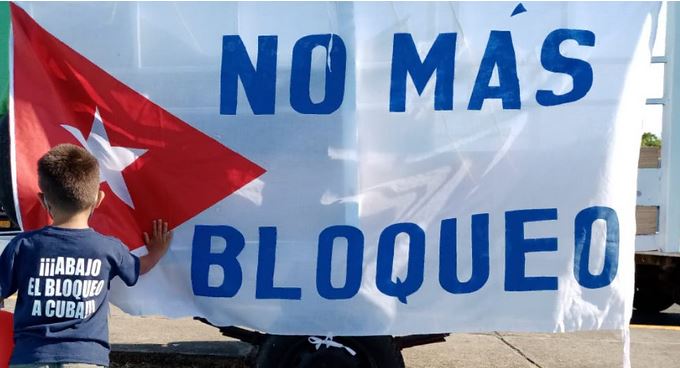
Durante la pandemia de la COVID-19, a Cuba se le negó el oxígeno, el acceso a vacunas y medicamentos, y se le condenó a muerte utilizando la enfermedad como aliada. Hoy, el Imperio utiliza las más sofisticadas técnicas y herramientas para manipular la mente y las percepciones. Esa es otra área clave de esta guerra: la cognitiva.
In the multidimensional conflict faced by the Cuban people, hatred fuels the flames and affects millions of lives. Only in the most distorted minds—or in those that have lost the ability to think and reason—could the idea take hold that genocide, or the deprivation of medicine, food, and energy, is a viable means to subdue a society.
It is astonishing that, in the 21st century, practices reminiscent of ancient sieges—where cities were starved into submission—are still invoked. History offers countless examples of such strategies used to force surrender.
That this has been a goal of United States policy toward Cuba is not new. It was explicitly acknowledged by Lester Mallory and has since been implemented by successive U.S. administrations with persistence and severity, including the current government.
Today, aggression against Cuba unfolds across multiple fronts. On the diplomatic level, several Latin American governments have yielded to pressure from Washington, echoing the offensive of the 1960s, when numerous administrations—including military dictatorships—severed ties with Cuba in an effort to isolate the emerging Revolution.
However, targeting the Cuban people also impacts populations worldwide, particularly marginalized communities. Governments that withdraw from cooperation agreements, such as Cuban medical missions, deprive many citizens of essential services.
Perhaps the most widely criticized measure has been the tightening of the energy blockade, a clear example of the extraterritorial reach of U.S. policy. To enforce it, Washington has applied pressure and coercion on long-standing fuel suppliers to the island.
Each of these actions constitutes what critics describe as collective punishment, aimed at creating internal conditions that could justify further escalation and worsen living standards. Notably, some individuals and groups have supported these policies, including politicians, public figures, and organizations who, according to critics, benefit financially from the situation.
"There is no worse blindness than that of those who refuse to see." The current U.S. president has reportedly acknowledged that Cuba’s situation has been exacerbated by strengthened sanctions that persisted even during major global crises.
During the COVID-19 pandemic, Cuba was denied access to oxygen, vaccines, and medicines, effectively condemning its population while leveraging the crisis itself. Today, the situation remains unchanged. To reinforce this narrative and shape public perception, advanced techniques and tools are used in what is described as a cognitive dimension of the conflict.
The opinion of a minority is often portrayed as that of the majority, leaving little room for dialogue or critical analysis—only a climate of hostility aimed at dividing and weakening the morale of an entire nation.
Yet, even as hatred seeks to dominate public discourse, solidarity continues to emerge in response to each act of pressure. Initiatives such as the “Our America Convoy” exemplify growing international support for Cuba.
The freedom and sovereignty of the Cuban people have required immense sacrifice and the lives of many. In a time when “all options” are considered against the island, resilience, solidarity, and truth remain essential tools to confront and overcome these challenges.
Translated by Sergio A. Paneque Díaz / CubaSí Translation Staff
Add new comment