
Trump Escalates Threats Against Cuba: "We Will Take Control Almost Immediately"
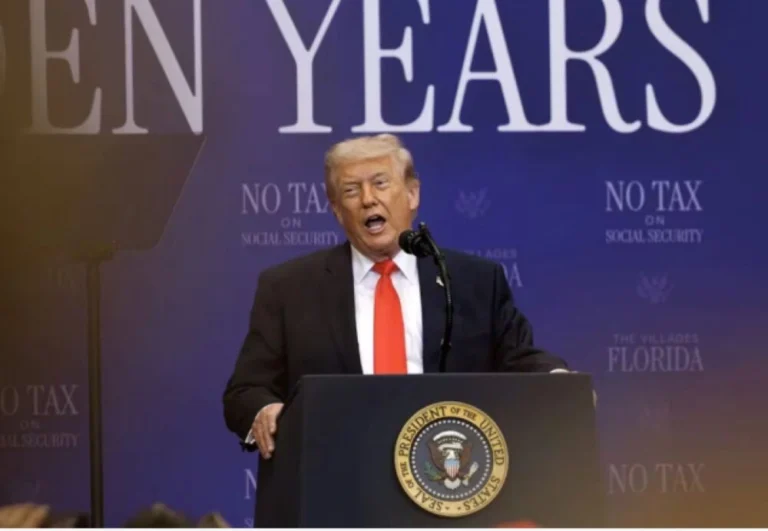
Trump reitera intención de “tomar el control” de Cuba
Military Threats and Strategic Deployment
In a speech delivered to political allies and business leaders, Donald Trump outlined a vision for a post-Iran conflict shift in military assets. He suggested that the USS Abraham Lincoln, currently deployed in the Middle East, would be sent to the Caribbean.
The "Surrender" Strategy: Trump claimed that by positioning a massive carrier just 100 yards off the Cuban coast, the island’s government would have no choice but to capitulate. "They'll say 'thank you very much. We give up,'" Trump asserted, framing the intervention as a swift and decisive action.
The "Iran First" Policy: The President emphasized his desire to "finish the job" in the Middle East before pivoting to Havana, stating, "When the carriers return from Iran, we will take control of Cuba almost immediately."
New Sanctions and Economic Pressure
Coinciding with his speech, Trump signed a new Executive Order on May 1, 2026, targeting the pillars of the Cuban economy and its security services.
Targeted Sectors: The sanctions focus on the energy, defense, mining, and financial services sectors.
Intelligence Concerns: Secretary of State Marco Rubio justified the measures by accusing Cuba of acting as a hub for the intelligence services of Washington’s adversaries. Rubio declared that the "era of appeasement is over" and that the U.S. would not tolerate a hostile regime aligned with its enemies just 90 miles from its shores.
Energy Blockade: The administration has also threatened punitive tariffs on any nation that maintains energy cooperation agreements with Cuba, further tightening the "energy blockade" that has recently led to widespread blackouts and surgical cancellations on the island.
Regional Context and Political Tension
This radicalization of U.S. policy follows the invasion of Venezuela in early 2025 and ongoing hostilities in Iran. Domestically, the move comes after the U.S. Senate narrowly rejected a Democratic proposal on April 28 that sought to limit the President's authority to order military operations against Cuba without explicit congressional approval.
Add new comment