
Aging in Cuba has a Female Face

This fact is not new, but it now allows for a more precise look. At the end of 2025, 2,519,823 Cubans were 60 years of age or older—that is, 26.7% of the total population.
This figure had previously been released by the National Office of Statistics and Information (ONEI), but on October 1st—International Day of Older Persons—the agency published a more detailed portrait of aging in Cuba, broken down by sex, place of residence, and territory.
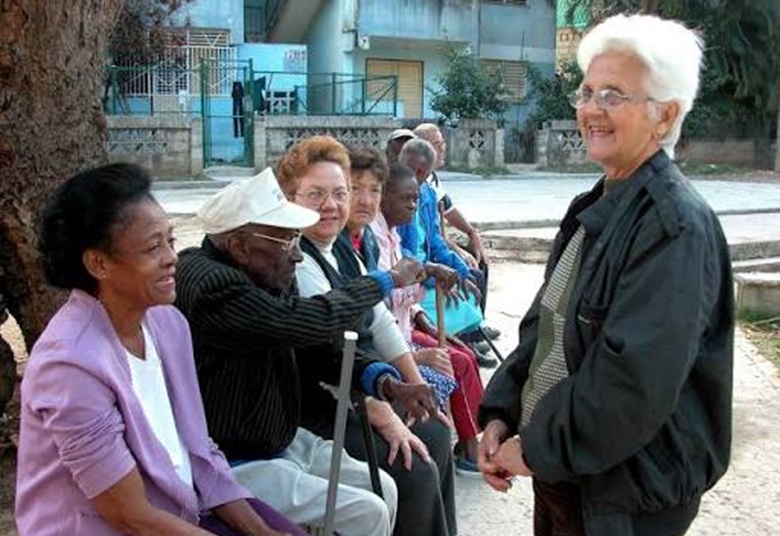
Two particularly notable features stand out in this portrait: the older population is predominantly female, and its distribution is not uniform across the national territory. Of all Cubans aged 60 and older, 1,360,603 are women, while 1,159,220 are men—a difference of 201,383.
The island is aging unevenly
The distribution by place of residence introduces another significant nuance. In urban areas, there are 1,078,583 women aged 60 and over, compared to 834,079. 2 men. In contrast, in rural areas, older men outnumbered women: there were 324,428 men compared to 282,020 women.
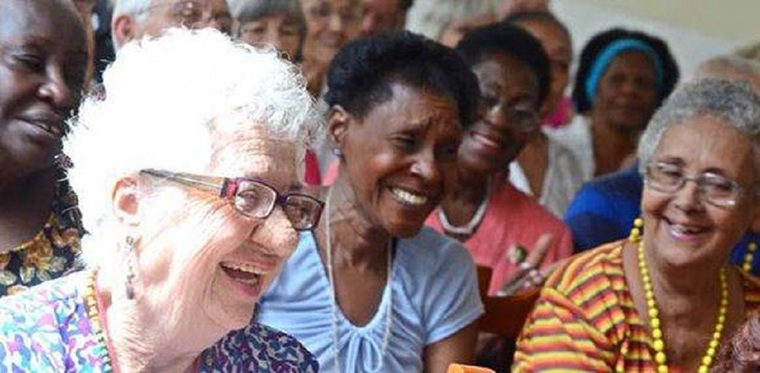
The data therefore describe an older population whose sex composition varies according to the area of residence.
Furthermore, the aging process does not occur with the same intensity in every province. Villa Clara records the highest percentage of the population aged 60 and over, accounting for 30.2% of the total.
It’s followed by Havana, at 29.1%. This means that in both provinces, approximately three out of every ten inhabitants already belong to this age group.
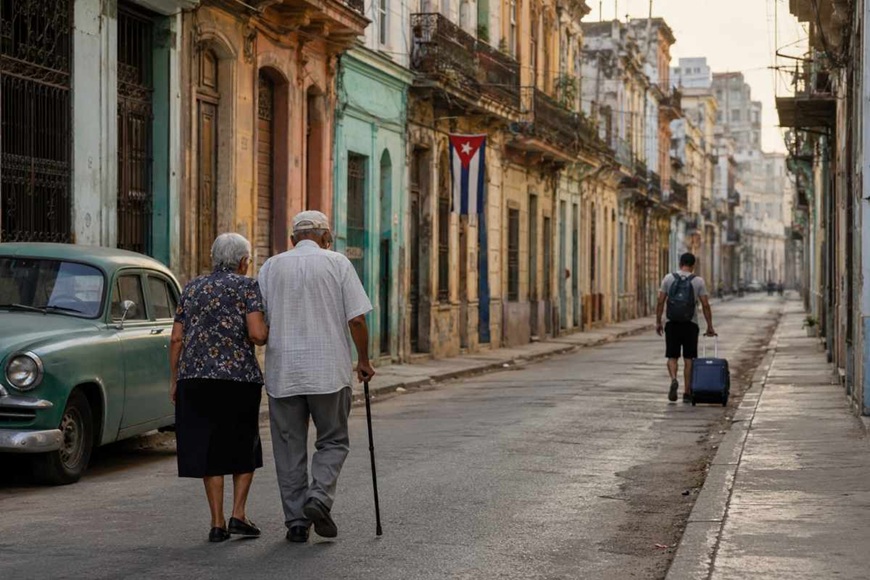
Cienfuegos records 27.7%, while Sancti Spíritus and Camagüey reach 27.6%. At the other end of the spectrum is Guantánamo, with 23.3%.
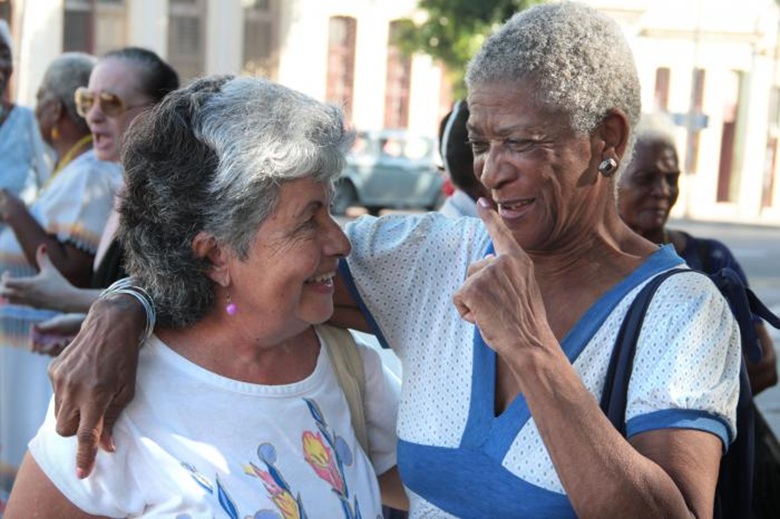
The feminization of the older adult population is one of the most distinct features of the current demographic structure. Women account for approximately 54% of people aged 60 and over, compared to 46% for men.
This figure becomes significant when looking at the demographic structure as a whole. Aging is not merely an increase in the absolute number of older people; it also means that this group carries increasingly more weight within a population where younger generations are smaller in number.
Villa Clara and Havana at the high end
This is not the first time Villa Clara has appeared as a particularly "aged" territory. It was already leading the provincial rankings in 2024. The difference lies in the scale reached by the end of 2025: 30.2% of the population was 60 years of age or older, compared to the 29.1% recorded in 2024.
Havana went from 28.1% in 2024 to 29.1% in 2025, remaining in second place.
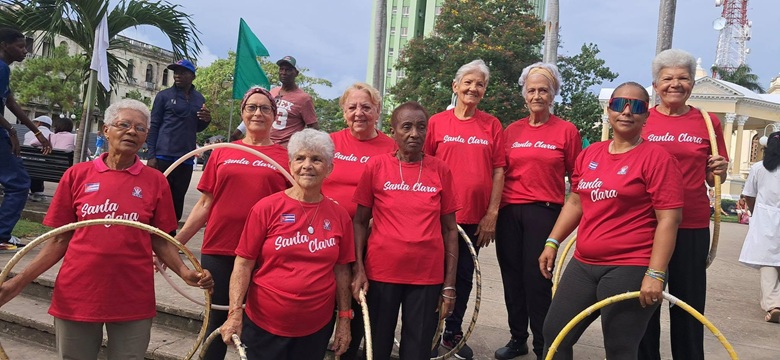
In Villa Clara, the median age was 48.1 years. This indicator does not mean that 50% of the inhabitants are 60 or older; rather, it means that half the population is over 48.1 years of age, while the other half is under that age.
Territorial disparities are also evident at the municipal level. Plaza de la Revolución, in Havana, recorded the highest percentage of older adults—38.2%—while Yateras, in Guantánamo, had the lowest, at 17.9%.
Thus, Cuba’s demographic landscape reveals significant variations. There are areas where older adults make up more than 30% of the population, while in others, they account for less than one-fifth.
Fewer births, greater aging
The aging of the Cuban population is part of a long-term demographic transformation. Data for 2025 highlight some of the factors currently reshaping the age structure.
That year, 68,064 births and 136,214 deaths were recorded. Consequently, natural population growth was negative, with a net decrease of 68,150 people. The total fertility rate stood at 1.29 children per woman.
Added to this was a total net migration loss of 245,264 people. The combination of low fertility, negative natural population growth, and net migration loss alters both the size and the age composition of the population.
Another indicator illustrates the scale of this shift: the working-age population stood at 5,606,541 in 2025—a decrease of 1,259,894 compared to 2021, according to data from the ONEI (National Office of Statistics and Information).
These indicators suggest that the aging process cannot be attributed to a single cause. It’s clear, however, that Cuba is simultaneously experiencing a decline in births, negative natural population growth, a shrinking working-age population, and an increase in the relative proportion of older adults.
The consequences of this demographic structure are significant. A population with fewer people in younger generations and working-age groups—alongside a high proportion of older adults—creates new and distinct requirements for the country’s economic and social organization.
Who cares for whom?
The "feminization of aging" also raises a question that goes beyond mere statistics: who will provide care when the primary caregivers—traditionally women—themselves belong to the oldest age demographic?
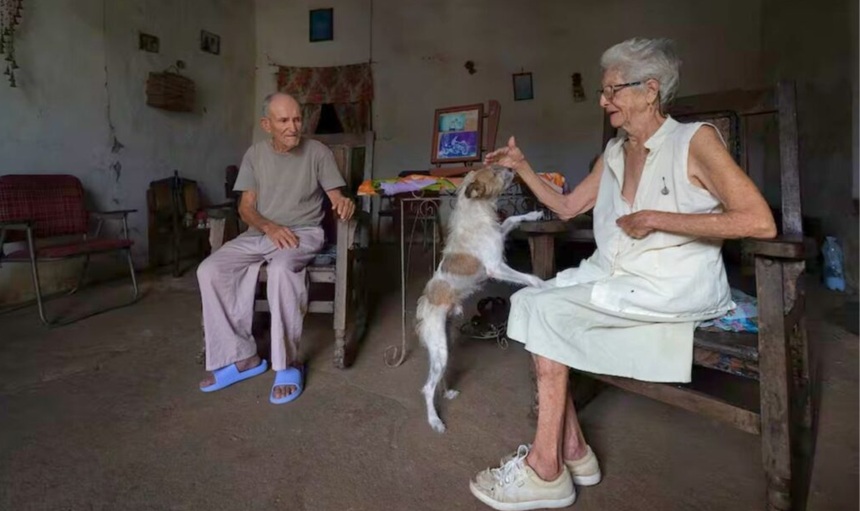
In Cuba, women have traditionally taken on the bulk of caregiving responsibilities within the household—looking after children, sick family members, and the very elderly. However, if women make up the majority of the population aged 60 and older, this caregiving structure may become increasingly fragile.
An older woman might find herself in the position of having to care for someone else even more dependent, while the availability of family members of working age—those capable of taking on such responsibilities—is on the decline.
The aging of the female population, therefore, does not concern only older women themselves; it can also alter the day-to-day organization of caregiving within families.
The potential consequences extend to other areas as well. A larger number of women in advanced age may drive up the demand for healthcare and long-term care services—services specifically tailored to a demographic that, by its very nature, will require distinct, specialized responses.
There may also be an increase in the number of households where an older woman lives alone or relies on an ever-shrinking family network—a trend particularly relevant in a country where emigration and low fertility rates are reshaping the size and composition of families.
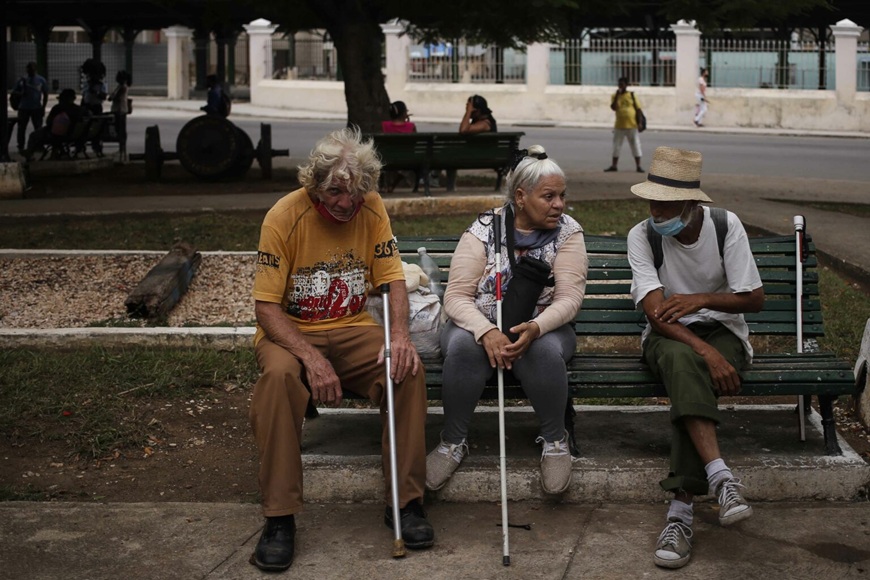
Added to this is a less visible dimension: if women reach old age after a lifetime spent—to a greater extent than men—on domestic work and caregiving, the "feminization of aging" may be compounded by accumulated inequalities in income, economic autonomy, and the capacity to cope with dependency.
The question, then, is no longer just how much Cuba is aging, but rather how to continue addressing this aging process—especially given its distinctly female face.
Translated by Amilkal Labañino / CubaSí Translation Staff
Add new comment