
Iran Rejects U.S. Interference in Selection of New Supreme Leader
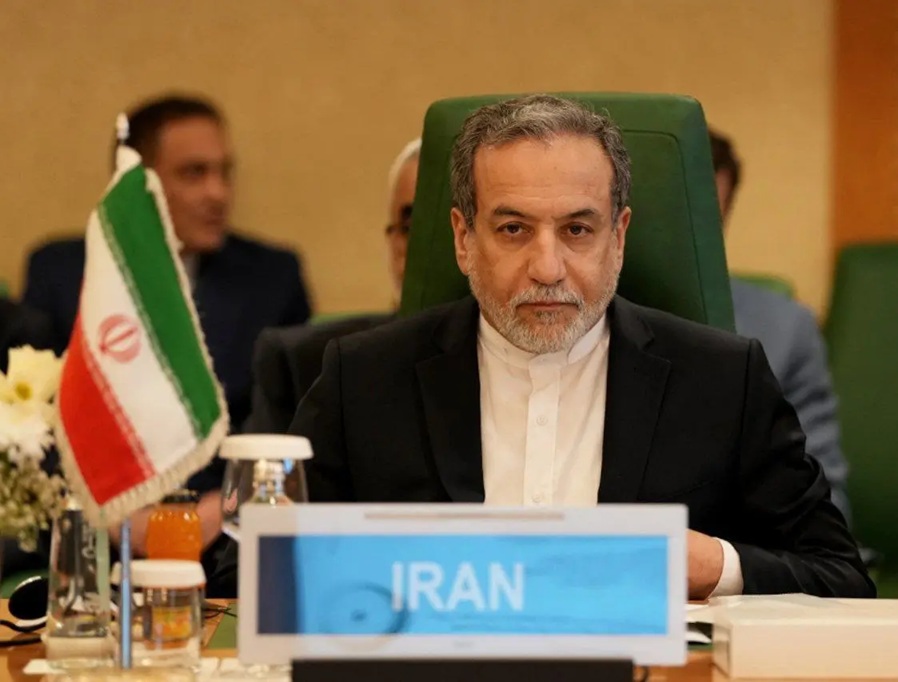
El jefe de la diplomacia iraní, Abbas Araqchi. Foto: Ministerio de Asuntos Exteriores de la República Islámica de Irán
Iranian Foreign Minister Seyed Abbas Araqchi stated this Sunday, March 8, that his country will not permit interference from the United States or any other nation in the process of selecting its new supreme leader.
Araqchi emphasized that the succession of Ayatollah Ali Khamenei is the exclusive responsibility of the Iranian people, exercised through the Assembly of Experts, dismissing recent remarks from Washington regarding the profile the deceased supreme leader's replacement should embody.
The statement comes in direct response to comments made by U.S. President Donald Trump, who expressed his willingness to accept a new religious leader provided that individual maintains friendly ties with his administration and with Israel.
Araqchi characterized the president's remarks as an intrusion into Iran's internal affairs and underscored that national sovereignty is not subject to external conditions — particularly in a context of heightened military tension.
Regarding the possibility of a ceasefire, the Iranian foreign minister indicated it is premature to address that scenario while the reasons behind the recent military aggression against his country remain unresolved. The United States, he stressed, "must explain why it initiated the aggression."
The minister further stated that Washington must be held accountable for strikes carried out against civilian infrastructure, specifically citing the bombing of an elementary school in the city of Minab, where approximately 170 fatalities were reported. "There is every indication that the school was attacked by a U.S. fighter jet," Araqchi emphasized.
On February 28, for the second time in less than a year, U.S. and Israeli military forces launched a coordinated offensive against Iran, using the country's nuclear program as justification. These military actions began shortly after the conclusion of negotiating rounds in Geneva and have resulted in a death toll of 1,330, according to Iran's Permanent Representative to the United Nations, Amir Saeid Iravani, citing figures from the Red Crescent.
Add new comment