
Geopolitics: Game Theory in the Middle East
Game theory is an academic perspective permeating analyses of geopolitics. This is a pragmatic cost-benefit analysis that considers the possibility of viewing the world as a chessboard of opposing forces that set in motion short-, medium-, and long-term strategies. In terms of conflict, major powers have used tertiary scenarios to avoid definitive escalation, a behavior that can be observed throughout history. Specifically, the Cold War was a confrontation of positions in which both sides inflicted the greatest possible damage on each other without a direct clash. Today, this is somewhat returning, and it can be said that the struggle is between the Anglo-Saxon liberal unipolar world and the multipolar world of emerging Eastern powers. The clash is total, concerning politics and economics, but also culture, civilization, and cosmic visions.
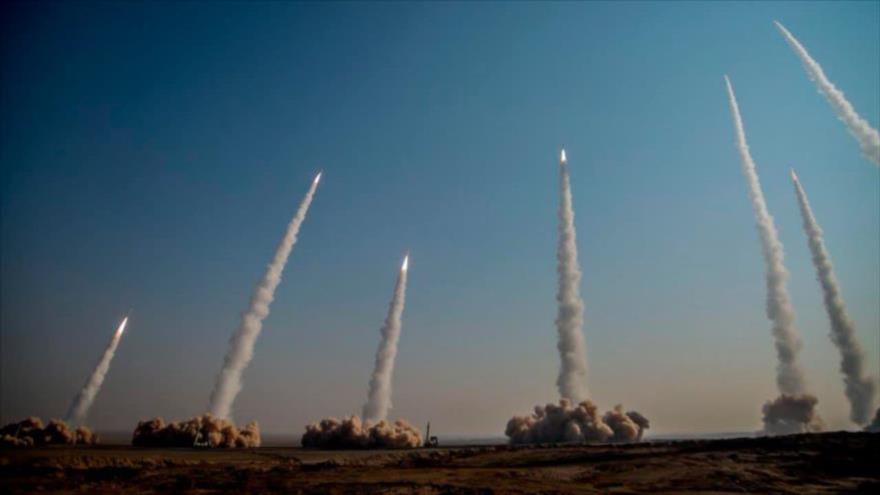
The conflict in Iran has dominated the headlines; it’s a war that possesses the ingredients of a major clash. Tehran possesses highly developed weapons and has been preparing for this scenario since at least 2003. At that time, the invasion of Iraq foreshadowed a war that would spread throughout the Middle East. Geopolitics temporarily halted that and bogged down the United States. Today, it can be said that the unleashed violence stems from analyses carried out by advisors employing a strategy based on game theory. The aim is to create chaos, generate confusion, and then impose order according to the rules of the strongest, making the enemy believe they hold a weak hand before launching a surprise, a devastating blow. However, Trump has prematurely assessed the situation. For him and the Pentagon, Iran should fall immediately; Tehran's forces, decapitated, would be unable to recover and would be exhausted. Game theory works when mediated by interests and survival instincts, but that's not the whole picture. In geopolitics, analyses must be comprehensive.
Culture is an integral part of any serious analysis of Iran. In this regard, it's essential to examine the narrative underlying the Iranian power elite. Islam has two distinct branches. The majority, Sunni Islam, is more decentralized, based on autonomous authorities and ulema (scholars) who adhere to the original teachings of the religion. The minority branch, Shia Islam, stems from the power struggle that followed the death of the Prophet Muhammad. Ali, his son-in-law and husband of Fatima, claimed the leadership role for himself and his descendants through bloodline. However, the Umayyad caliphs disregarded this logic and established a form of power not tied to family lineage. This led to the Battle of Karbala, where the Muslim rebels and claimants to the Prophet's lineage were massacred—an event known ever since as the martyrdom that gave rise to Shia Islam. Iran is the only country where this latest version of Islam is the majority religion, and therefore sacrifice and the waiting for a leader (the Mahdi) are integral to its theocratic and cosmogonic vision of politics. All of this is weighing heavily on this war and explains the disconnect between the logic of the West and that of Tehran. While for the United States it’s a fight for oil and the interests of a group of businessmen and financiers, for Iran it’s a holy war whose end can only be a spiritual victory. But there are other, long-standing issues that also play a role. For the Christian West, Islam has always been the cultural other. This otherness is based on a lack of understanding of a different civilized world, with another version of sacred history. Europe founded and nurtured for centuries, and thus it became ingrained in the collective imagination, the idea that the Ottoman Empire and the caliphs were uncivilized, a danger. This mark on the subconscious is still evident in the way this war is being handled in the media. Driven by prejudice, fear, ignorance, and economic interests.
Game theory also comes into play from Iran's perspective. Tehran attacked Persian Gulf countries that formed part of a string of alliances with the United States—specifically, the missiles were aimed at American bases in the region—served as a warning to those governments about which side they would be on. The Strait of Hormuz was closed, and the losses in petrodollars are already being felt in the shocks to fuel prices and financial insecurity. Perhaps the Iranians have also managed, in their own way, to hack the Western system and are using it. The emerging powers, meanwhile, observe from their positions, offer diplomatic and intelligence support, and to some extent serve as mechanisms of deterrence and containment against an escalation. In any case, the world is not the same as it was in 2002, and the Iranian leaders know this and have taken advantage of it.
The United States, from its external perspective, has analyzed Iran as a mosaic of identities. Differences regarding the Iranian Sunni minority are being reignited, and the issue of the Kurds and other ethnic groups is also being stirred up. But faced with this fragmentation, which has always been part of the intelligence work of cultural erosion, Iranians have built a more powerful weapon. They are Persia, an entity heir to a multicultural empire whose past grandeur shook the world. This superpower lineage is partly the narrative wielded by the Tehran resistance and keeps disparate identities cohesive. The truth is that while the theater of operations remains active, the global economy is reeling. The rise in oil prices can serve as a weapon for Iranians, a kind of blackmail button against the West. At the same time, control over which ships pass through the strait functions as a preferential mechanism for emerging powers. So, if this operation doesn't go well for the United States and they have to withdraw from the Gulf, the big winners are Russia and China, and they won't have fired a single shot. This is the kind of jujitsu strategy characteristic of Beijing's Eastern philosophy: using the aggressor's force against them.
In any case, war isn't going to devastate Iran unless weapons of mass destruction are deployed or introduced, and that scenario seems unlikely. Is the United States willing to suffer countless casualties that could directly benefit the Republican Party and the November elections? Will they have the audacity to cross the red line of global deterrence and begin the countdown to a third all-encompassing war between major powers? If any president has brought the world to the brink of such scenarios, it's Trump. Even so, the consequences of that happening are a zero-sum game, and let's remember that Western elites want to preserve themselves and increase their power, not dissolve themselves through nuclear means.
The worst in this game of positioning is yet to come. Iran isn't going to stop its retaliation against Israel, at least that's what it has said. In terms of confrontation, this makes sense given the abuses against the Palestinian population. Now there's a price to pay in blood. And let's remember the death of Ayatollah Khamenei, something that led Tehran to raise the banner of revenge. There, cultural, religious, and geopolitical implications intertwine, creating the breeding ground for a scenario that shows no signs of abating.
Translated by Amilkal Labañino / CubaSí Translation Staff
Add new comment